
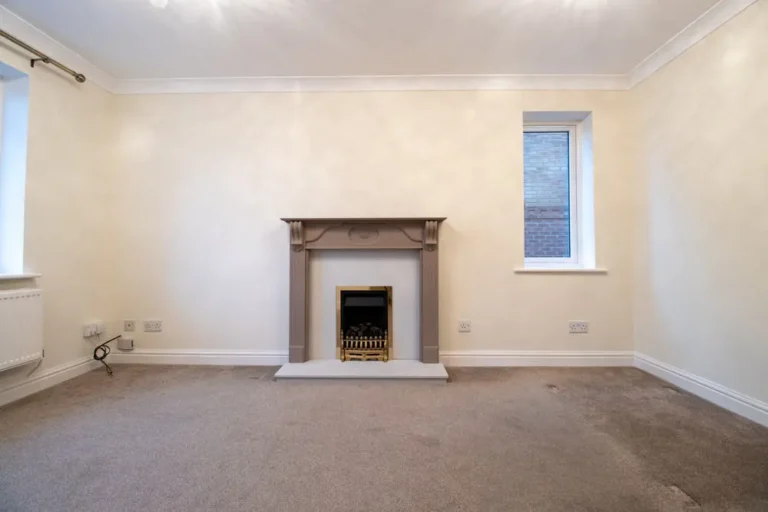
I have written this page to provide risk management insights for anyone who owns or is responsible for insuring empty property, an area in which Insuristic specialises.
Unoccupied properties are more likely to be damaged or have claims than occupied properties. While you may be insured, a claim can be time-consuming and disrupt your plans for the property, so it is sensible to consider and minimise your risks.
You should also be aware that some of these recommendations will be a condition of your insurance policy. Therefore, you should read your policy documents to ensure you understand the cover and all the policy conditions you must comply with.
Here are 12 tips for securing unoccupied property:
Your insurers will expect you to keep the property in a reasonable state of repair to help preserve its value and prevent claims or issues.
You must keep the property in good repair to avoid your insurer declining your claim. For example, the insurer would likely reject a claim caused by rainwater leaking through the roof due to missing tiles.
So, regularly checking the property for defects or issues like this is essential.
In addition, your insurance policy will likely contain a condition requiring regular inspections of the property, the frequency of which will differ depending on the insurance provider.
As an example, if you arrange insurance with Insuristic:
During each inspection, you should check for any issues or defects with the property and plan for a swift resolution of any problem identified to minimise the risk of a loss.
The level of contents insurance cover provided by an unoccupied home insurance policy will differ from that for occupied property, as unoccupied homes pose a much higher risk of theft.
As a result, your insurer may cover contents, but the maximum they will pay in the event of a claim for an individual item will usually be capped at £1,000.
Therefore, you should remove all valuables, collections, art, and jewellery from the property and put them in secure storage.
The single-article limit will also apply to items in any shed or outbuilding. Therefore, move expensive, theft-attractive garden and tool equipment into secure storage.
The minimum security required will differ for each unoccupied home insurance provider.
Insuristic keeps this simple. You just need locks on all doors and accessible windows (and for them to be locked). Which is much easier to understand and comply with than other insurers.
Many insurers will need you have something like:
External Doors will need either:
Patio Doors: will need:
Windows: Key-operated security locks should be on all ground floor and other accessible windows.
If you don’t keep the property secure, the insurer will likely decline claims resulting from attempted theft or break-in.
Which is why Insuristic might be the safer choice for you.
It is advisable to drain down your water systems at the point of entry to the property, usually from an internal stop cock to prevent damage caused by the escape of water.
If you don’t do this and there is a claim, the level of cover provided could be reduced or excluded. For more information, please check your policy schedule or our Unoccupied Home Insurance page for details of the cover before you buy.
Burst pipe claims can be expensive to fix. As a result, your insurer may recommend draining your water systems.
Some insurers will provide limited cover for water escape incidents (most do not), provided the systems are drained. The available cover will vary by insurer. The insurer will also require that the heating be left on during the winter months at a minimum of 15°C, and that you keep your loft hatch open to ensure warm air circulates around any pipes or tanks in the loft.
Adherence to these conditions is necessary to avoid your cover for escape of water claims being excluded or reduced.
Your policy will include a condition about turning off services at the mains. The exception is when electricity is needed to maintain an intruder or fire alarm. Please do so to avoid a claim related to the services at the property being declined.
Your insurance won’t cover damage due to the activity of any contractors.
Therefore, you should check that your contractors hold a valid public liability insurance policy. If they damage your property, you could claim against their insurance to receive the money to rectify any damage or loss. It also protects you if they injure someone on your property who doesn’t work for them.
You should check their public liability insurance policy schedule to ensure:
It is advisable to redirect all mail and newspapers. You should also remove any post on each property inspection.
This helps the property appear as though it is occupied, reducing the threat of illegal entry and the risk of fire from a build-up of combustible materials.
Your insurance policy will contain a policy condition requiring this to be done.
A messy garden can help thieves identify unoccupied property. Keeping the garden and lawns tidy can make the property look lived in. So will clearing snow from paths during the winter months.
It is also a condition in most unoccupied property insurance policies.
Your insurance policy will include a condition requiring you to notify insurers about any changes in risk. Failure to do so could invalidate your policy.
Examples of changes in risk include:
Renovations: Insurers will usually want to know about any plans you have for renovating the property during the period they insure it. Such as:
This allows the insurer to endorse the policy with a condition that tells you what to do to maintain your coverage.
Insuristic has made this easier for you, as we will cover non-structural renovations up to £50,000 without an increase in the premium or additional policy conditions.
An increase in the property’s rebuild value:
If the cost to rebuild the property increases above your insured sum (other than solely due to indexation), you need to declare this to the insurer and pay any premium increase.
Whilst this should be rare for short-term unoccupied property, it can happen during renovations.
If the property becomes occupied: The policy is designed for unoccupied property and is unsuitable when it becomes occupied. This needs to be declared to the underwriter for consideration. The policy likely needs to be cancelled, and more suitable coverage should be purchased, for example, a standard home insurance policy if you are moving in or a landlord’s insurance policy if it is going to be occupied by tenants.
You must physically visit the property at the intervals specified in your policy.
If you are an Insuristic customer, this is usually every 14 days, or every 30 days for Probate Property Insurance.
Why it’s essential:
Early Detection: Many claims would be quite small or non-existent in occupied property, such as a small leak or burst pipe, which the people living there would quickly detect and resolve before much damage has been done. For an empty property, these can accumulate and lead to significant claims. Regular visits catch these issues before they become large claims.
Keeping the property in good repair is a key condition of your policy. Regular inspections help you spot and stay on top of maintenance issues. It is also worth noting that no insurance policy is likely to pay a claim resulting from poor maintenance.
Claim Evidence: If you need to make a claim, the first thing a loss adjuster will ask for is your inspection log. Without proof that the property was checked within the required timeframe, and that you were actually there and not just writing down a list of inspection dates, your claim could be rejected entirely.
We’ve removed the need for complex written logs. To stay compliant, simply:
Take a photo of the front of the house.
Take a photo of one room inside.
Store them on your phone. The "Date Taken" metadata on your photo is all the evidence our claims team needs to prove you were there.
If you consider and implement each of these risk management recommendations, it will help prevent claims at the property.
To get a quote or learn more, visit our unoccupied home insurance or unoccupied probate property insurance web pages. If you have further questions, visit our unoccupied home insurance FAQs page

Rob Faulkner is an ACII Chartered Insurance Broker with nearly 30 years' experience in the UK insurance market. He is also a Chartered Manager and a Member of the Chartered Institute of Marketing.
As the founder of Insuristic, Rob has developed clear, flexible insurance solutions for property owners and people managing empty homes.
He writes regularly on property and business insurance, with a particular focus on probate insurance, unoccupied home insurance and risk management, areas where he brings deep expertise.
Rob is especially passionate about product development and insurance education, helping people understand what they are buying. These values shape everything we do at Insuristic.
Want to learn more? Visit my author page or follow me on LinkedIn.

Insuristic Limited is an Appointed Representative of SJL (Worcester) Ltd, who are authorised and regulated by the Financial Conduct Authority with the reference number 991835. This can be checked by visiting https://register.fca.org.uk/s/.
Registered Office: Unit 2, 262 Walsall Road, Cannock, England, WS11 0JL. Registered in England and Wales No: 13926650.
Insuristic is a registered trademark. ©Copyright 2023 Insuristic Limited. All Rights Reserved.