

Rob Faulkner, ACII · Chartered Insurance Broker
Reviewed 14 November 2026
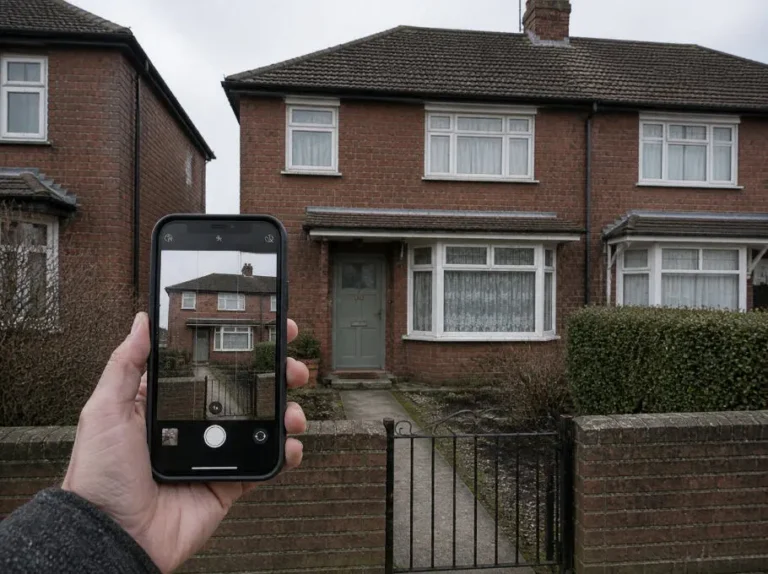
When I designed Insuristic’s probate property policy, most of the options I saw online asked for an inspection every 7 or 14 days. We ask for an inspection every 30 days, inside and out, and you provide evidence of each one with a couple of photos – one of the front of the property and one of any room inside.
Most insurers of empty houses will insist on inspections, and it will form part of the policy conditions you must comply with. The reason is that empty houses are a much higher risk than a normal occupied home, particularly from damage that builds up over time, like a burst pipe, or a loose tile after a storm that lets rainwater into the loft and causes damage below.
If you think about it logically, if you’re living in a property and a pipe bursts, yes, you’re going to be annoyed and frustrated. But you’re going to be straight on the phone to a plumber to sort it out before it causes a significant loss.
With an empty property, that burst pipe could happen between inspections, and you might not be back for another week or more. Just imagine how much damage that water can do while no one is there. Burst pipes are one of the biggest causes of loss for empty properties, and the damage can be severe, almost as bad as a fire, because water can bring down ceilings and completely destroy fixtures and fittings.
This is why many insurers exclude damage caused by burst pipes and escape of water.
Insurers also want to make sure the property stays secure and is kept in a good state of repair, because poor maintenance increases the risk. They want the garden kept tidy and the post picked up, because those are clear signs a property is empty, and that makes it a target for thieves and vandals.
Leaving a property completely unattended and never inspected is a risk too high for a lot of insurers. There are inspection-free policies in the market, but they tend to be very selectively distributed. Actually, Insuristic does have one for law firms, where inspections would be completely impractical.
Inspections every 7 or 14 days are perfectly acceptable for properties you own that are temporarily empty – in fact our own unoccupied home insurance policy is on a 14 day basis. A lot of those are empty because of a renovation, between tenants, or the property is up for sale.
But probate is different. Those administering the estate have usually got their own home and affairs to think about, and they’re grieving as well. Many have a lot on their plate as they start to understand the scale and complexity of probate.
It’s fairly typical for executors and administrators to be in a probate property quite often, because it usually belonged to someone they loved who has recently passed away. Visiting the property is part of the grieving process as there are often lots of memories at the property. Plus, there are the practical jobs associated with the estate administration process such as documenting the contents, putting the deceased’s belongings into safe storage, as well as searching the house for documents like Wills and evidence of bills from organisations that are now creditors of the estate. So they’re probably in the property often anyway, so I thought, why put them under so much pressure when they’ve already got such a lot on their plate?
I discussed this at length with the underwriters, and we felt 30 days was the fairest interval for an inspection. Every 7 or 14 days just puts too much pressure on executors and administrators. They’re probably already in the house that often, but they might forget to take the photos needed to prove the inspection happened.
It was far easier for the executors or administrators if we allowed inspections once every 30 days. All they need to remember is once every 30 days, inspect the property and take a couple of pictures: one of the front and one inside.
The underwriters were in full agreement. They didn’t take much convincing, because they agreed it was absolutely the right thing to do, and like us, they’re fully supportive of anyone managing an estate through the probate process.
It’s made a huge difference to people. You only have to read our Trustpilot reviews to see how much easier we’ve made the whole process for them. We’ve had many clients who didn’t know about Insuristic when they started the probate process, then moved the insurance over from a more restrictive provider; some have even said in their reviews that they wish they’d found us sooner.
It’s the insured’s responsibility to be able to evidence that an inspection actually happened.
The problem with a written report is that it doesn’t really evidence that the inspection took place when it should have. It could have been written at any time, and it could be argued that it was written when there was a claim because an inspection had been missed – particularly if the damage looked like it could have been prevented by an inspection.
A photo makes it much easier to evidence that the inspection did happen when it was supposed to have.
It just needs anyone with a key to take a picture of the front of the property, walk inside, and take a picture of any room. It could be the living room or the kitchen; it doesn’t really matter. The photo automatically records the date and time it was taken, which is far harder to fake than a written report, and much easier for you to produce. Keep the original photos on your phone, ideally backed up, rather than relying on copies sent through messaging apps, which can strip that information out.
The photos just need to prove that someone was there.
Our underwriters’ claims team only need to see the pictures if there’s a claim, so they don’t need to be uploaded to the Insuristic portal. They just need to be kept safe by the executors or administrators.
Missing an inspection is actually quite risky. If this happens the best thing to do is inspect the property straight away and take photos as the policy wording asks.
Then contact the underwriter or your insurance broker for guidance, because you’re in breach of your policy conditions. This matters because insurers could turn down a claim that an inspection might have prevented or reduced.
The underwriter would note the breach and probably give the same guidance I just have: inspect the property immediately and make sure there are no issues. It would always be your responsibility to show that a loss wasn’t made worse by the missed inspection. This is clearly more difficult to do if the inspection was missed because the damage buildup would cause the underwriters to ask questions.
One of the most common reasons unoccupied home insurance claims aren’t paid is either a failure to inspect or not being able to evidence that an inspection took place.
Most policies you’ll find online want a report for every visit. Now, I’m not a surveyor, and neither are you. So what do you even put in that report? And as I said, a report could be written at any time, even after a loss, so it doesn’t really show the insurer when the inspection happened.
If I were comparing cover right now, inspections would be one of the first things I’d look at. The problem you’ll find is that most of the websites you’re looking at don’t really mention inspections or what you need to do. They’re all about making the sale, not explaining what you need to do to comply with your insurance up front.
So if you’re looking after an empty house for an estate, check the inspection conditions before you buy. And if you want cover that won’t catch you out, that’s exactly why we built Insuristic’s probate property insurance policy the way we did.
Rob Faulkner founded Insuristic and has over 30 years' experience in the UK insurance market. He is an ACII Chartered Insurance Broker, a Chartered Manager, and a Member of the Chartered Institute of Marketing. He also served on the judging panel for The British Wills and Probate Awards 2026.
Rob writes regularly about the risks executors and administrators face during the probate process, and the insurance that protects them, from property to legal indemnity.
Want to learn more? Visit Rob's author page or follow Rob on LinkedIn.

Insuristic Limited is an Appointed Representative of SJL (Worcester) Ltd, who are authorised and regulated by the Financial Conduct Authority with the reference number 991835. This can be checked by visiting https://register.fca.org.uk/s/.
Registered Office: Unit 2, 262 Walsall Road, Cannock, England, WS11 0JL. Registered in England and Wales No: 13926650.
Insuristic is a registered trademark. ©Copyright 2026 Insuristic Limited. All Rights Reserved.